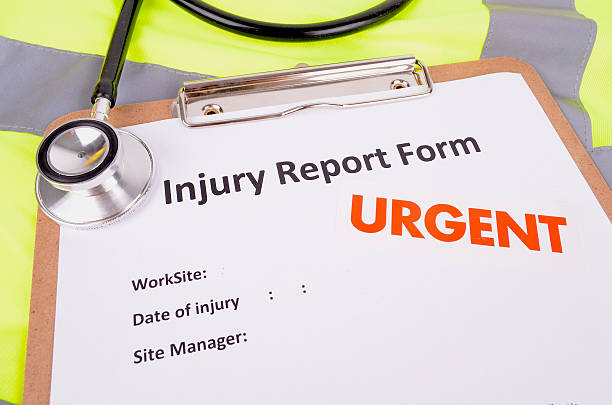
In our four-part series on travel risk, we have discussed potential gaps in the duty of responsibility programs. We’ve also covered tips to fill those gaps and the importance of data in implementing an effective travel risk (TRM) program. Our final article will focus on how to respond to duty calls. To fulfill duty of care responsibilities when an employee or traveler is in danger, it’s important to have a plan in place that outlines who will respond and how.
Implementing an emergency response Plan
To ensure that you are prepared to respond effectively to an incident involving duty of care, a master plan must be created. It is important to test and review your plan regularly. Your response plan must include the following elements:
Monitoring round the clock. In the case of organizations that do not use a TMC, they will need to coordinate a monitoring system with internal resources or partner with a vendor that provides a system that can monitor, alert, and assist employees and travelers in need. For organizations without a TMC, you’ll need to either coordinate a monitoring program with your internal resources or partner with a vendor that provides tools and services that can monitor, alert, and assist travelers and employees in need.
Establishing roles for response In order to respond successfully to an incident, you need to determine who will do the answering. Reed & Mackay, a travel management company, recommends that you coordinate a group of stakeholders with roles and responsibilities clearly defined well in advance. “When something goes wrong, the time is not your friend,” they say. The BTN Group recommends cross-departmental internal stakeholders, while the GBTA suggests defining a leader and a team for specific types of incidents. The TMC, TRM provider, and travel suppliers should be included as external stakeholders. Travelers should be trained to be key stakeholders by being taught how to react in specific situations.
Reliable communication. Organizations should have a plan for multi-channel communication in case technology systems are affected or stressed at the start of an incident. Some organizations rely on apps, social media, and text messaging as backup communication methods if mobile communications are down. Organizations require a tool to pull together travel itinerary data, supplier data, and expense data. It should also have a feature that allows proactive communication with travelers and assistance providers.
Integration tools. As organizations continue to prioritize fulfilling their duty of care obligations, they need to integrate the tools that they use to manage risk. This includes traveler tracking, two-way communication, and tools to aggregate data from multiple channels.
Repeat, practice, and review. The effectiveness of a plan depends on its ability to be implemented efficiently. After a project has been developed with defined roles and responsibilities and the tools needed to respond to travelers who are impacted, organizations need to establish clear guidelines for their employees and implement practice drills with all stakeholders. After a plan has been implemented in a real-life response scenario, the organization should review and analyze it to determine how it can improve protocols for future emergencies.
Your employees are the most important asset of your company. You can locate and respond to any employee or traveler in danger with a comprehensive plan, robust risk management tools, and trusted partners.