According to a study published in The Lancet, people living with HIV who adhere to antiretroviral therapy and maintain low but detectable levels of HIV have virtually zero risk of transmitting the virus to their sexual partners. The study findings will be presented in an official satellite session before the 12th International AIDS Society Conference on HIV Science. [1]
The systematic review found that the risk of HIV transmission is virtually zero when viral loads are less than 1,000 copies per milliliter. This is also commonly known as a suppressed virus load. The systematic review confirms that HIV-positive people with undetectable viral loads (not detected by tests) are at zero risk of HIV transmission to their sexual partners.
This analysis has been used to update a new WHO policy brief that provides updated guidance on sexual transmission prevention, viral load testing, and public health professionals. It is also available for people with HIV. This guidance is intended to help prevent HIV transmission and support global efforts for people with HIV to achieve undetectable virus loads by using antiretroviral treatment and avoid information to their partners and children.
Research has shown that HIV-positive people with viral loads less than 200 copies/mL are at zero risk of transmitting HIV sexually. Until now, however, the risk for transmission between viral loads of 200 and 1,000 copies/mL has been less clearly defined.
To fill this knowledge gap, the authors searched databases for all published research on sexual transmission of HIV with varying viral loads between January 2000 and November 2022. The systematic review included eight studies, which provided data on 7,762 couples in 25 countries where one partner had HIV.
Laura Broyles, MD, the lead author of this study, from Global Health Impact Group in Atlanta, USA, said: “These results are significant because they show that it’s scarce for HIV-negative people to transmit HIV to their sexual partners. This conclusion is crucial because it can encourage using alternative viral-load testing methods that are more feasible for resource-limited environments. Improving the availability of routine viral load tests could help HIV-positive people live healthier lives and reduce the transmission of HIV.
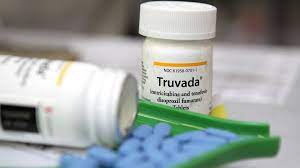
Antiretroviral Therapy (ART) is a daily medication that helps reduce the body’s viral load. This preserves immune functions, reduces mortality and morbidity associated with HIV, and slows down HIV progression. People living with HIV may have viral loads ranging from 30,000 copies/mL to over 500,000 copies/mL, depending on their stage of infection. [4]
In many places, it is not possible to perform such tests. The new findings, however, support more straightforward methods, such as dried blood spots, which are more effective in categorizing virus loads to make necessary clinical decisions.
Only two 323 HIV transmissions detected in all eight studies involved a partner with a viral load of less than 1,000 copies/mL. In both cases, the viral load was tested at least 50 days before the transmission. This suggests that the viral loads of the individuals may have increased in the time following the viral load tests. In studies that included the entire range, at least 80% of messages were associated with viral loads above 10,000 copies/mL.
WHO co-author Dr. Lara Vojnov said: “The ultimate aim of antiretroviral treatment for people with HIV is to maintain undetectable virus loads. This will improve their health and prevent transmission of HIV to their sexual partners or children. These new findings are significant because they show almost no risk of HIV transmission when viral loads are low. This is an excellent opportunity to destigmatize HIV, promote the benefits associated with antiretroviral treatment, and support those living with HIV.
The authors admit that their study has some limitations. The data were not precise due to differences in definitions and timings for viral load testing, patient follow-up, and the frequency of viral load tests. HIV treatment is now recommended for all HIV-positive people. However, large sample sizes are needed for more accurate estimates due to the low number of HIV transmissions.
The findings also do not apply to HIV transmitted from mother to baby because the duration and intensity are much higher during pregnancy, childbirth, and breastfeeding. There are also differences in how the virus is transmitted from mother to baby compared to sexual transmission. To prevent new HIV infections in children, it is essential to ensure that pregnant and nursing women have undetectable viral loads throughout their exposure period.
In a Comment linked to the article, Linda-Gail Bekker (not involved in the study), Philip Smith, and Ntobeko A B Ntusi, who were co-authors, wrote: “Laura N Broyles’ systematic review published in The Lancet supports the virtually zero risk of sexual transmission of HIV for levels below 1000 copies per milliliter…This evidence has relevance for at least three reasons.” It highlights the importance of viral load testing in all settings that have HIV-positive people taking ART…Secondly, Broyles & colleagues pointed out that these data were probably the best we’ll ever have. The standard of care requires that people be offered life-saving treatment regardless of viral loads…Third and most importantly, the study supports the global campaign “Undetectable equals Untransmittable” (U=U). This campaign aims to popularise that people with undetectable viral loads are not infectious.