A novel discovery focuses on vaginal microbes to determine if they act as a carrier to transmit HIV into the host’s body.
Professor Johnson Mak leads the study from Griffith University and heads the Institute for Glycomics. This research was funded with USD$297,000 from the National Institutes of Health in the United States of America.
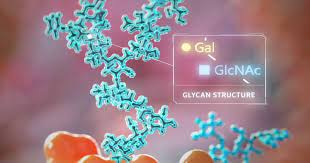
Professor Mak stated, “The research will focus on discovering that HIV surface proteins are decorated with a ‘glycan’ or envelope of sugar molecules.”
Both Lactobacillus gonorrhea and Neisseria gonorrhoeae could have opposing effects on virus transmission.
We will then examine how manipulation of the glycans could act as molecular Velcro to interact with proteins or sugars on the surface of vaginal bacteria.
This study, with the support of researchers like Professor Kate Seib and Associate Professor Daniel Kolarich at the Institute for Glycomics, will use cutting-edge techniques such as surface plasmon resonance, recombinant proteins production, electron microscopes, mass spectrometry, and molecular virology to investigate how bacteria, viruses, and humans interact.
The US NIH-funded research program shows the Mak Lab and the Institute for Glycomics’ commitment to elucidating how glycan biology (sugar biology) can be used to improve human health.
The current NIH funding will allow the Mak Lab to accelerate its discovery and explore the translational potential within the next 24 months.
This critical grant has delighted Professor Mark von Itzstein, Director of the Institute for Glycomics.
The fact that our researchers have won US NIH Grants is a true testimony to the quality of research and innovation undertaken at the Institute,” said Professor von Itzstein.
This particular study could provide a solution for a problematic disease problem.
Professor Mak is looking for a postdoctoral researcher to join his project, along with a student.
Cell Reports published the initial research with Dr. Belinda de Villiers and Dr. Chris Day. Associate Professor Thomas Haselhorst and Professor Michael Jennings also contributed to this work.