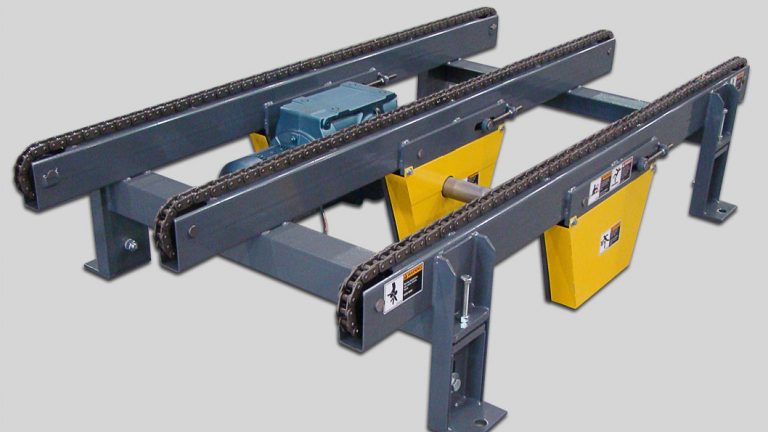
Chain conveyor systems have improved productivity for companies in production for more than 100 years. They can save manufacturing facilities time and money and reduce cost of labor through automation of manual production procedures. When they’re operating well, the company prospers and is able to meet production deadlines and schedules.
Maintaining your conveyor systems efficiently is crucial to maximizing ROI (ROI) and that’s why maintaining your equipment is vital.
The importance of ensuring that conveyor chains are maintained regularly
If chain are properly maintained they will perform at their best. If they aren’t maintained the wear and tear of metal against metal could result in damage like chain elongation, or loss of the tensile strength. If these issues could eventually cause the conveyor belt and the production process to a complete stop. Repairs and replacements when the machine has broken down can cost more time and money to repair than regular maintenance. This is also a huge interruption to the production schedule.
The best method to avoid these pitfalls and improve the efficiency of your chain and production is to ensure regular maintenance. The most crucial components are proper lubrication as well as the prompt replacement of worn-out parts.
Maintenance tips for conveyor chains
Now that you know the importance of regular maintenance, here are some suggestions to prolong the life for your equipment.
1. Lubrication
When metal interacts with metal, it causes an abundance of wear and friction, dramatically reducing the lifespan of your chain and its components. Lubricants create an oily film around the chain and other components which reduces the impact of metal-on-metal contact, and slowing down the wear rate.
In addition to safeguarding the metal components of your conveyor systems making sure they are well-oiled can lower the noise of operation and also prevent corrosion.
Lubrication is so crucial for the functioning of machinery that manufacturers typically submerge chains in grease which solidifies at the factory. The grease acts as a protection lubricant prior to shipping it to customers.
The application of the oil must be done correctly for them to protect the chain. It’s not enough to simply brush or spray it on the surface. Chains comprise a set of bearings and joints all of which require Lubrication to guarantee longevity. The lubricant should be thoroughly applied throughout the entire area that are involved, including the inside as well as the outer plate, as well as bearings.
What type of lubricant do you need to use?
Environmental factors play an important role in determining the best kind of lubricant to use on the conveyor chain. For instance, the operating conditions such as temperature and dust levels will require a variety of lubricants to ensure optimal performance.
There are a variety of options available to you, including:
- Low temperature: Grease that repels water.
- High Temperature Lubricant for films that are wet
- Dusty conditions Dry film fluid
2. Be sure to use equipment of high quality
When you are buying an equipment system that is going to be the foundation of your operations do not settle for less quality in exchange for a lower upfront price. Quality isn’t a priority. cause you harm in the end in the event that components fail and need replacement.
Make sure you purchase from reputable distributors of drive chains so you’re sure that you’re getting what purchase: top-quality. Along with high-end, you should ensure that you have the correct equipment to meet the requirements and work conditions. For instance If corrosion is a regular issue with your system of conveyors, think about changing your chains to stainless-steel or zinc-plated ones.
Schedule chain conveyor maintenance
Lubrication and quality equipment are an important aspect in maintaining the integrity and prolonging the life of the chain conveyor. Keep an essential maintenance plan, as well as a logbook to ensure that your system continues to operate smoothly.
Make sure that all employees conducting maintenance checks are properly well-trained and knowledgeable about their duties. They’ll also have to document their maintenance, as well as any required details in the logbook appropriately.
These are the essential maintenance requirements for chain conveyor systems. We suggest you go through your manual to see if there are any additional or specific specifications for your equipment:
Daily maintenance:
- Examine the conveyor chains every day for wear and the lengthening.
- Get rid of any debris that might be accumulating within the chain.
- Verify the tensioners on the drivetrain and grease the drive sprockets if needed.
Weekly maintenance:
- The chains and sprockets and parts must be examined and lubricated when needed.
- Make sure that the tensioners of the drivetrain are in the correct range.
Monthly maintenance:
- Take off any covers, such as side guards, and clean them as well as the areas they cover, and clear any obstructions.
- Cleanse all cooling components and test them for proper performance.
Quarterly maintenance
- Make sure to check the sprockets to ensure they are not worn out and then replace in the event of damage: sprockets with warped edges can lead to elongation of your chain.
- Make sure to check the chain for wear and elongation.
- Verify the sprocket and shaft aligning.
- Look for any unusual wear and determine the reason, and then address it.
- When you’ve an automatic system for lubrication that you have set up to your chain be sure to wash the sump and replace the filter on your oil.
It might not be regularly scheduled however, at regular intervals all through the year, look through your maintenance logs and check your conveyor track and chain. If you notice any major problems, or worrying patterns, (such as insufficient or missing logbook entries) discuss the issue with your maintenance team, since it could mean that routine maintenance was not being done.
3. Go through the manual
Chain manufacturers for conveyors know precisely what is required to maximize the performance of your chains. The manuals they supply in their product manuals will show the maintenance requirements and when it is required to prolong the lifespan that the chain will last. The manual might seem like a tedious task, but making sure your maintenance personnel and managers of facilities become acquainted to the tools they’re working with is vital for proper maintenance. https://wainwright.com.au/chain-conveyor/