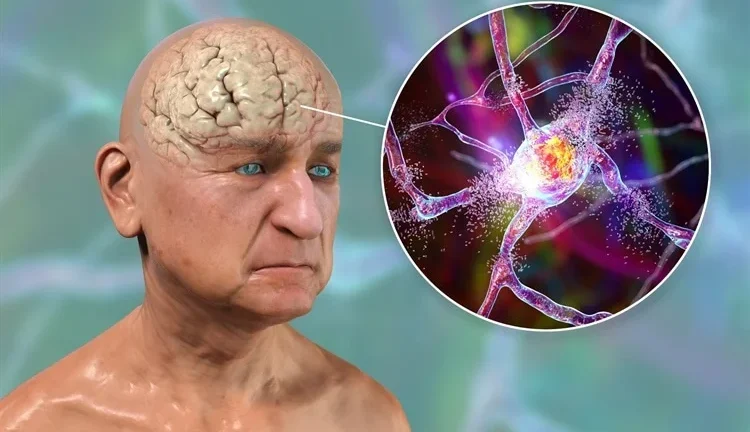
Researchers reviewed the neuroinflammation mechanism associated with depression and Alzheimer’s and the therapeutic options to reduce neuroinflammation. They also discussed radiological initiatives that can be used to assess neuroinflammation.
Background
Alzheimer’s, obesity, and depression are the most common global health crises. According to recent estimates, by 2050, over 150 million people will have Alzheimer’s.
Depression is the leading cause of disability and loss of life-productive years for over 300,000,000 people. The obesity epidemic is also a growing global problem. Nearly 36% of men and 38% of women worldwide are overweight or obese.
The three diseases are interconnected. Depression in midlife or earlier is a risk for Alzheimer’s, and depression in later life can be a prodrome. Depression and obesity are also interlinked, with obesity causing comorbid depressive disorders and depression increasing obesity risk.
The risk of Alzheimer’s is independent of obesity in mid-life. Obesity’s inflammatory state is related to depression and Alzheimer’s disease.
Neuroinflammation: Mechanisms and treatment
Chronic inflammation can also lead to immune dysregulation due to metabolic changes or interactions between amyloid pathology and gut microbiome. This leads to neuroinflammation. Chronic inflammation associated with obesity is thought to impact the central nervous system and lead to neurodegeneration and cognitive decline.
Neuroinflammation caused by obesity can occur in a variety of ways. For example, proinflammatory cytokines such as interleukin-6 (IL-6) and tumor necrosis factor-alpha (TNF-a) could lead to the secretion of adrenocorticotropic hormone and activate the hypothalamic-pituitary-adrenal axis, subsequently leading to hypercortisolemia, dendritic atrophy, neuronal apoptosis, and reactive gliosis.
Diets high in fats have also been linked to activation of the renin-angiotensin-aldosterone system and gut microbiome dysbiosis. Studies in vivo have previously shown that high-fat foods obstruct the neurogenesis process by reducing messenger RNA and non-coding ribonucleic acids (RNA).
High-fat diets also lower calcium signaling, decrease the levels of brain-derived neurotrophic factors, and increase the hippocampal adenosine monophosphate-activated protein kinase signaling levels, leading to reduced neurogenesis.
The BBB has also been shown to be more porous in animal models of obesity. This allows proinflammatory molecules to enter the hypothalamus and increase leptin levels.
The oxidative stress caused by obesity is the hallmark of Alzheimer’s and depression. The production of ROS by obesity due to mitochondrial malfunction may affect synaptic function, axonal transportation, and the oxidative stress produced by beta-amyloid.
The pathophysiology behind depression and Alzheimer’s may be influenced by obesity-related inflammation and insulin resistance. This association could be explained by the activation and subtypes of microglia and astrocytes into neurotoxic types and the disruption of the glycogen synapses kinase-3 pathways essential for synaptic plasticity and neurogenesis.
Mid-life obesity has been linked to an increased risk of Alzheimer’s. Healthy adiposity does not affect metabolic dysregulation among older adults. It has also been shown to exert neuroprotective effects.
Weight loss in older adults is also linked to cognitive decline and has been recognized as an indicator of cognitive impairment in Alzheimer’s.
Interventions
Lifestyle changes, such as increased exercise, dietary and calorie restrictions, or bariatric surgeries, can reduce inflammation in obesity, Alzheimer’s, and depression.
Antidepressants can reduce neuroinflammation. Statins lower hyperlipidemia and, subsequently, proinflammatory mediators. Non-steroidal anti-inflammatory drugs (NSAIDs), on the other hand, lower Alzheimer’s risk.
Imaging is essential to understanding disease pathophysiology, monitoring disease progression, and evaluating intervention outcomes. Biomarkers like translocator proteins 18 kilodaltons (kD), such as PET, have been used to monitor neuroinflammation in Alzheimer’s and depression. Neuroinflammation can also be detected by type 2 receptors for cannabinoids, cyclooxygenase-2, and arterial spin-labeling.
Conclusions
Neurodegeneration and neuroinflammation are cumulative effects of multiple events. It is, therefore, essential to detect inflammation and pathology at an early stage and to address it. These findings suggest that the focus of therapeutic strategies should be on metabolic imbalances and signs of systemic inflammation that appear in midlife.
The review addresses the socioeconomic and racial inequalities responsible for Alzheimer’s, depression, and obesity. Moreover, advances in imaging initiatives could improve disease monitoring and understanding of neuroinflammation.