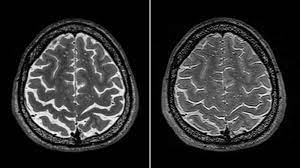
Researchers report that new biosensors helped reveal the activity of neuropeptides within the brain. These tools provide novel tools to study the release, function, and regulation of these important signaling molecules. The study claims that the new approach could answer key questions about neuropeptides and their role in health and disease. Neuropeptides in the brain are important signaling molecules that regulate many physiological functions, including digestion, metabolism, and sleep. Neuropeptide signaling is, therefore, a prime target for drugs that treat a variety of conditions and diseases, including obesity, diabetes, and chronic pain. The ability to measure spatial and temporal dynamics in neuropeptides is crucial for understanding their functions and the mechanisms that regulate them. However, the current tools available for detecting and monitoring these molecules are not up to the task. The precise spatiotemporal patterns and dynamics of neuropeptides are still poorly understood. Huan Wang, along with his colleagues, present a method that can be used to create fluorescent neuropeptide sensors encoded genetically. Wang et al. developed and characterized a series of highly selective and sensitive GPCR activation-based sensors (GRABs) for detecting several neuropeptides, including somatostatin (SST), corticotropin-releasing factor (CRF), cholecystokinin (CCK), neuropeptide Y (NPY), neurotensin (NTS), and vasoactive intestinal peptide (VIP). The authors demonstrated that GRABs are highly sensitive and can detect neuropeptide releases with high spatiotemporal precision in both cultured cells as well as mice. Wang et al. claim that their approach can be used to create GRAB sensors for any neuropeptide and to study the organism-wide signaling of neuropeptides. Roman Romanov, Tibor Harkany, and others discuss this study in more detail.
New GRAB Sensor Toolkit Unveiling for Neuropeptides