Researchers have published a study in the Scientific Reports journal that explores the use of endophytic mushrooms to produce selenium nanoparticles.
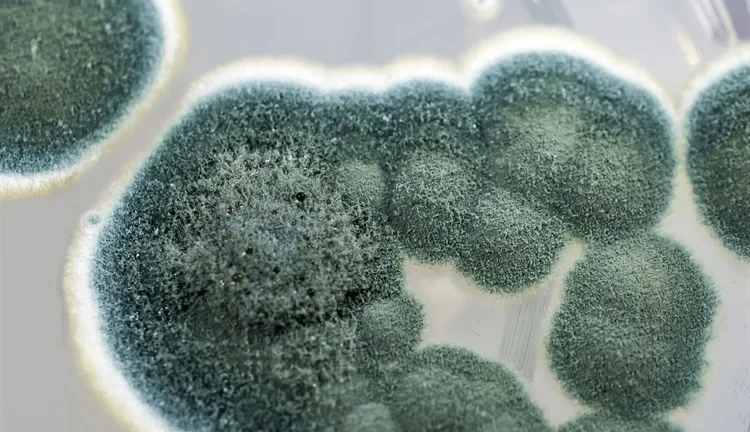
The green synthesis of selenium particles using penicillium verhagenii isolated in healthy garlic roots was reported.
Background
Selenium is a micronutrient essential to human health and the growth of microorganisms. However, the range of inorganic or organic selenium compounds that can be consumed safely is minimal, and excessive intake may result in toxicity.
Nanoparticles have different physical and chemical characteristics than their bulk counterparts and are more compatible with tissues and organs. Therefore, Selenium nanoparticles are considered less toxic and safer for humans than organic or inorganic selenium.
To determine environmentally sustainable and safe nanoparticle production methods, fungi and plant-related biological pathways were extensively investigated.
Recent research shows that endophytic mushrooms produce active metabolites required for the stable production nanoparticles in higher quantities than other fungi.
In host plants, endophytic fungi also produce secondary metabolites, such as flavonoids, alkaloids, and cyclopeptides. They also share biological properties, including antimicrobial and anticancer.
The study
This study examined the potential of nanoparticles produced by endophytic fungi that were isolated from healthy garlic roots. Garlic, or Allium sativum, has long been a part of traditional medicine. Ancient Egyptians used it to treat rhinitis and snake bites. The ancient Greeks utilized garlic for intestinal and respiratory problems. Garlic was used in World War II to treat ulcers and wounds.
Garlic’s antimicrobial, antibiotic, antifungal, and antioxidant properties, as well as its anticancer, antihypertensive, and antipyretic properties, have a variety of medicinal applications.
The four endophytic fungi strains isolated from garlic roots were the AR.1 strain and AR.4 strains for Alternaria alternate and Aspergillusniger. The four endophytic fungal isolates were analyzed separately to determine their efficacy in the fabrication of selenium nanoparticles.
The most potent strain was identified by using UV-Vis spectroscopy to monitor the color change.
The internal transcribed spacer (ITS) of the most potent strain of endophytic mushrooms, PenicilliumSpecies AR.1, has been amplified for molecular identification.
Bioinformatics tools were used to construct phylogenetic trees using published sequences from the GenBank database and those generated by the present study.
The Fourier-transformed Infrared Analysis was used to examine the effectiveness of the functional groups within the fungal biomass in reducing or stabilizing the selenium nanoparticles synthesized.
To determine the crystalline structure of selenium nanoparticles, X-ray diffractograms were used. Transmission electron microscopy (TEM) was used to study the morphological properties of selenium nanoparticles synthesized by fungal mediation, such as size, shape, and aggregation.
Researchers also used dynamic light scattered to determine the size and concentration of selenium in colloidal solutions. The Zeta Potential, which measures the charge of the nanoparticle’s surface, was instead used to determine the stability.
Results
UV-Vis and molecular analysis showed that Penicillium AR.1, also known as Penicillium Verhagenii, was the most potent strain isolated from garlic roots.
As formed, the selenium nanoparticles are spherical and crystalline. They are unaggregated and well-arranged. Their size ranges between 25 nm to 75 nm. They also have high stability.
The selenium particles produced by P. verhagenii-modulation also exhibited antimicrobial activity against a wide range of pathogens, including Candida albicans, C. tropicalis, C. glabrata, C. parapsilosis, Staphylococcus aureus, Pseudomonas aeruginosa, Bacillus subtilis, and Escherichia coli at minimum inhibitory concentrations of 12.5 ug per mL to 100 ugs per mL.
The selenium nanoparticles with fungal modifications also showed antioxidant and anticancer characteristics while biocompatible to multiple cell types. The selenium-modified nanoparticles also showed efficacy against different Aedes Albopictus larvae instars.