RSV is another respiratory virus we must be aware of this winter.
This is a less common illness than flu or COVID, but it can also cause unplanned trips to the GP, emergency room, or days away from school, childcare, or work.
The most common reason for hospitalization of infants. RSV is a severe winter virus that can be deadly. Most Australians are unaware of RSV or have only heard of it.
What is RSV (Reverse Shock Wave)?
RSV is the respiratory syncytial virus (pronounced sin CITY-al). This common respiratory viral causes symptoms like a mild cold, fever, runny or stuffy nose, coughing, and decreased appetite.
RSV can affect adults, but they usually recover within a few weeks.
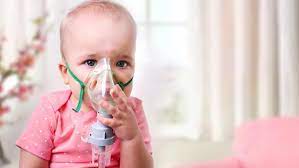
RSV in young infants can lead to more serious respiratory diseases such as pneumonitis and bronchiolitis. They can cause babies to breathe rapidly, stop breathing briefly (apnoeas), or feed poorly. RSV can affect a child’s long-term health, increasing their chances of allergies, asthma, and wheezing.
In Australia, the peak of RSV infection occurs between June and July. In Australia, the number of cases is beginning to decrease.
We can track cases because health workers are required to report RSV cases. We suspect that most cases are not reported because they are mild or doctors do not always test for RSV.
Who is most at risk?
Young and older adults alike are at high risk for severe diseases.
Children under two months of age, premature babies, children with medical conditions, or those infected by another virus are at high risk for severe disease. First Nations children have a 3 to 6 times higher risk of being hospitalized with RSV-induced bronchiolitis than non-First Nations children.
Children under 12 months (usually under six months) are admitted to the hospital most frequently. About a quarter of children admitted to the hospital will be admitted into intensive care.
Why are there so many cases?
S coughing and sneezing can spread RSV, so it is easy to imagine how it could spread in the winter months among children.
RSV spread was limited by measures taken during the COVID pandemic.
In 2020, RSV was hardly present during the most severe lockdowns. In New South Wales, Western Australia, and Victoria, there was a season re-emergence of RSV in late 2020 and early 2021. This overwhelmed hospitals and healthcare facilities.
RSV will return to its usual winter peak in 2022. This year, RSV has been blamed for many cases in many states.
This could be related to the new reporting requirements and more testing of RSV.
The record number of cases may be due to a reduced immunity among infants and young children due to lower exposure by mothers and infants.
Is there any vaccine available?
In Australia, there is no vaccine to protect against RSV.
The only preventative medicine available in Australia is Palivizumab. This monoclonal long-acting antibody is given every month during the RSV season. It is only given to infants with the highest risk of severe RSV infection.
Several new preventive agents are currently being developed.
The US Food and Drug Administration approved Arexvy for those aged 60 and older in May of this year. It is being evaluated for use by Australia.
The results of clinical trials on RSV vaccines administered to pregnant women to protect their babies for the first six months are encouraging. The Pfizer maternal vaccine demonstrated more significant than 80% efficacy against severe lower respiratory illness in infants 90 days after birth.
Safety data are being examined closely, including a possible risk for premature birth.
In Europe and the US, the long-acting monoclonal antigen nirsevimab (given in a single dose at the start of the RSV Season) is approved by regulatory authorities. Australian children are currently considering it.
How can I protect them in the interim?
Parents can apply many of the same measures we used during the COVID epidemic to reduce the risk of RSV. Please encourage your children to wash their hands and cover their nose and mouth when they sneeze or cough.
Preventing the spread of RSV and other viruses by ensuring sick children do not go to school, daycare, or play with other kids.
Viral Symptoms include difficulty eating, coughing, irritability, and rapid respiration. Parents who notice these symptoms or are concerned about their children should avoid seeking medical attention.