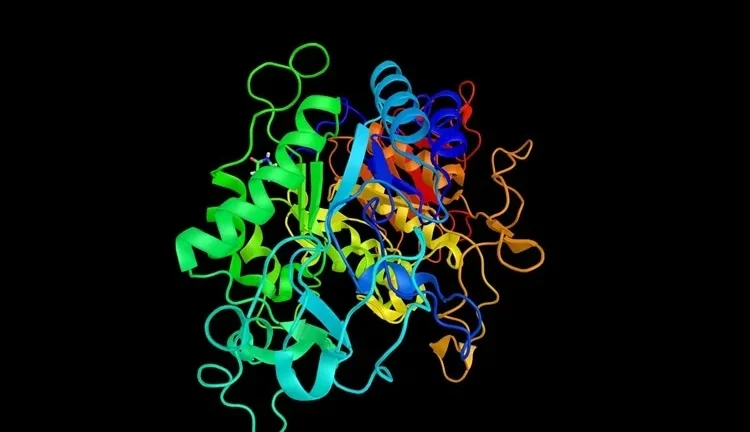
What is starch, and what does it do?
The majority of the world’s population gets their energy from starch. Starch from plants and mutants has intermediate structures, while starch in the ordinary form comprises amylose.
Recent reviews have described the relationship between starch structure, digestibility, and thermal properties. Comparatively, the present study focused primarily on the relationship between chain length distribution (CLD), starch, and health-related effects.
Starch properties in the biosynthesis
Human health is correlated with the location and rate at which starch foods are digested in the gastrointestinal tract. Starch digestion rate also impacts mental health.
RDS (rapidly digested) starch causes an increase in blood sugar, which can strain the insulin system. If this is a chronic problem, it could lead to diabetes. Slowly digested (SDS), on the other hand, reduces the food’s glycemic index. This can lead to type 2 diabetes or breast cancer.
Previous studies showed a positive correlation between SDS consumption and improved metabolic profiles. SDS consumption can reduce the postprandial spikes in glucose, which is suitable for managing diabetes.
The resistant starch (RS) reaches the colon and is a microbial ferment substrate to produce carbon dioxide, hydrogen, and short-chain fatty acid. This can reduce postprandial insulin and glucose responses, ultimately benefiting human health.
CLD is a critical determinant in the digestion and pasting of starch. CLD also reflects the distributions of the individual chains after debranching all (1-6-a) linkages with a debranching (DBE). The CLD is calculated by measuring linear glucans’ weight or number distribution as a function of the degree of polymerization.
Five enzymes are involved in starch biosynthesis, including starch synthase, granule-bound SS I, DBE, and adenosine-diphosphate-glucose pyrophosphorylase.
SS, DBE, and SBE are the primary enzymes in amylopectin synthesis. GBSSI DBE and SBE work together to produce amylose. SBE adds the short chains to the parent or another chain to form (1-6) linkages. DBE hydrolyzes directly (1-6)-a poly glucan linkages. AGPase catalyzes the generation of
SS elongates ADP-glucose chains through (1-4-a) linkages, whereas GBSS elongates the amylose chain and increases amylopectin extra-long chains. SS (I-IV), on the other hand, is primarily responsible for amylopectin synthesis.
The health effects of starch
The fine structure can affect starch’s digestibility and other features. Various studies indicate that the short A chains (DP 6 – 12) of amylopectin affect SDS and RDS.
One study found a correlation between lower A-chain amylopectin proportions and lower RDS. This contributed to higher SDS of long-grain white rice. Another study found a negative correlation with the short-chain portion of cooked maize starch.
Amylopectin with a higher proportion of B chains (DP >40) may impact SDS’s retrogradation and slow digestion. Amylopectin derived from cooked maize starch with short chains, a high branching density, and shortened nonreducing ends is slow to digest.
This could be due to a-amylase’s preferential cleavage. Amyloglucosidase cleaves (1-6)-a at a slower rate than (1-4-a).
Amylose CLD may also have a significant impact on digestibility. In vitro digestion of native and cooked rice starch was affected by the amylose concentration and degree of branching. Shorter amylose chain forms double helices when waxy starches are debranched. They then aggregate into crystalline arrays that are slowly digested.
Conclusions
More research is required to understand starch structure’s impact on health. The result of amylose on digestibility has been established. However, the effects of CLD amylose are relatively understudied.
Modifying starch’s structural characteristics can be beneficial to health. Future studies could focus on the effect of intermediate or longer amylopectin chains on digestion.