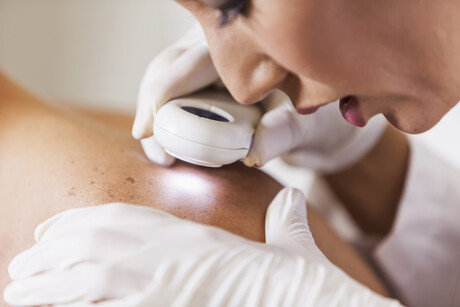
The University of Queensland has conducted a study that found that skin without visible freckles and blemishes can still have sun-damaged mutations in DNA, which could lead to cancer.
Researchers at UQ’s Frazer Institute Dermatology Research Centre examined the relationship between the mutations in the skin that appeared ‘normal’ and the past number of skin cancers.
Ho Yi Wong, Ph.D. student and lead author of the study, said that the findings were published in Science Advances. They showed Australians could still have high numbers of mutations on their skin even if they thought it looked normal.
Wong stated, “we took skin samples from 37 skin cancer patients who were often sun exposed.”
The average number of mutations was 4-5 times higher in normal-looking skin than in similar studies overseas.
The higher mutation levels may be due to Australia’s 2-4 times more significant levels of ultraviolet radiation than in the United Kingdom or Europe.
The study then matched individuals of the same age, gender, and skin cancer number.
Wong stated, “one group had many cases of skin cancer, and the other had very few or none over the last five years.”
“We found that there was a 45% variation between the groups. Those with more skin cancers had more mutations in their forearms.”
Two-thirds or more of Australians develop skin cancer in their lifetime. Queensland is the leader in skin cancers like basal and Squamous Cell carcinoma.
According to Professor Kiarash Kosrotehrani, the findings explain why people who have had skin cancer in one area of their body are more likely to develop another in that same region in the future.
Khosrotehrani added, “The findings suggest that we can reduce the number of mutations in the skin with a normal appearance and reduce the risk for new skin cancers.”
The laser treatment and dermabrasion could ‘wipe out’ skin mutations, reducing cancer risk. But this method is not for everyone.
Other therapies are needed because lasers and dermabrasion can be expensive and challenging to implement on a large scale.