The pancreatic cancer tumor is a deadly and complex solid tumor. It poses challenges in both diagnosis and treatment. The aggressiveness of the local invasion and its tendency to spread distantly are known. This causes around 227,000 deaths worldwide every year. Pancreatic cancer is a severe disease that poses many challenges. To overcome these, researchers have extensively tried innovative treatment strategies.
The research groups of Weihong Tan, Xue Qiang Wang, and the Hangzhou Institute of Medicine have used phosphorothioate modification of the backbone to improve the recognition, cellular uptake, and biostability of an aptamer that targets pancreatic carcinoma cells. This modification resulted in more efficient and safer delivery of therapeutic agents to pancreatic carcinoma.
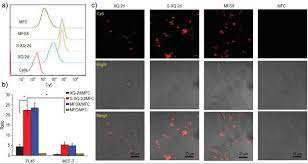
The researchers found that the total phosphorothioate modification of the backbone significantly increased the biological stability in the serum of the aptamer. Researchers also successfully created an aptamer drug conjugate, coupling mitomycin C with the aptamer. Mitomycin C is a potent anti-tumor agent. The modified aptamer/drug conjugate showed significantly better binding and endocytosis abilities toward pancreatic cancer cell targets than the original aptamer/drug conjugate. Its toxicity toward non-targeted cells was also reduced considerably. In rats, it had a longer half-life and a lower toxicity.
The mouse imaging experiments showed that the modified conjugate had a significantly longer retention time and better infiltration to tumor sites than unmodified conjugate. These results highlight the potential for total thio modification to regulate the biomedical characteristics of aptamers and their related therapeutic agents. This opens the door for clinical translation of the aptamers.